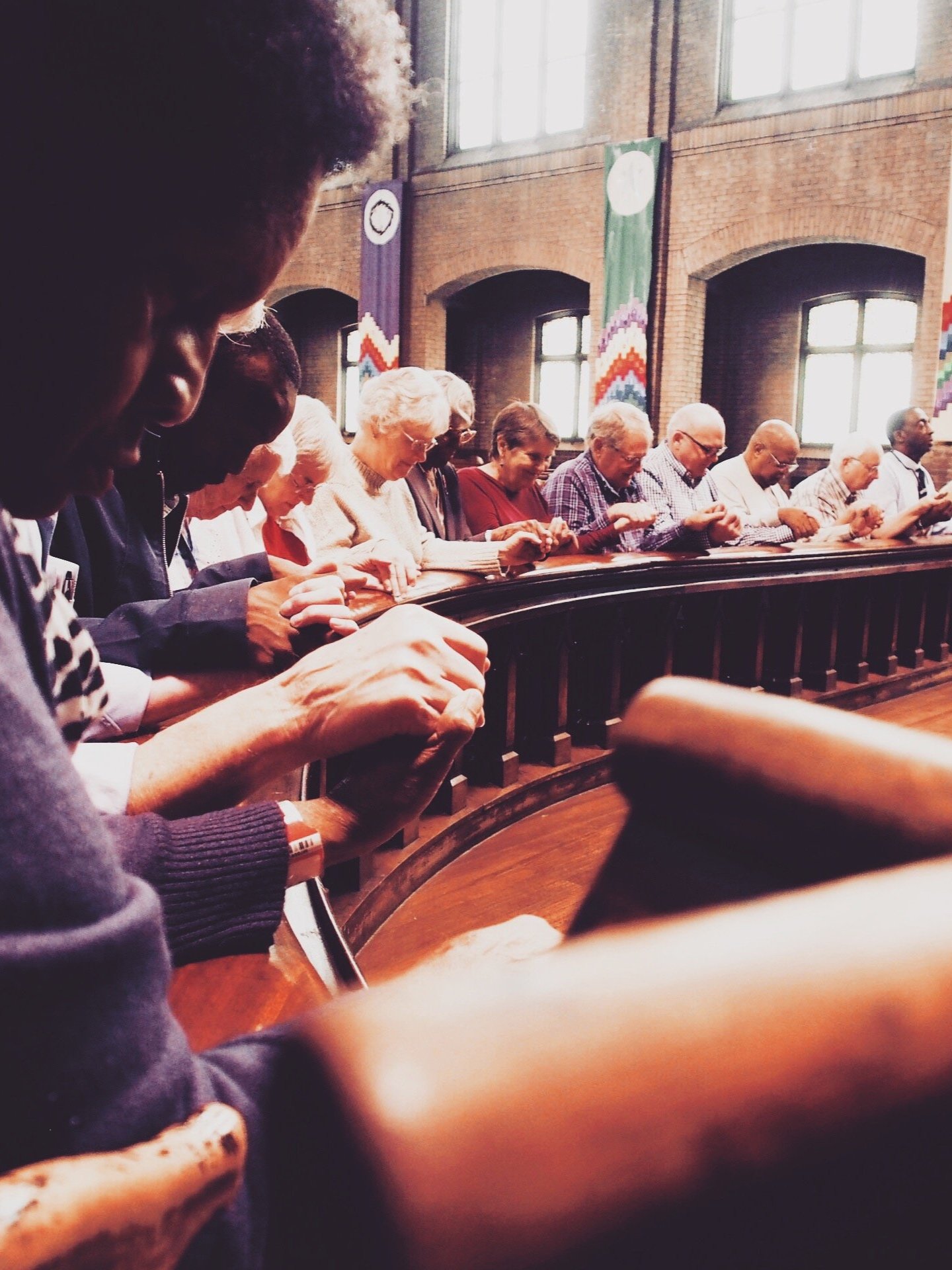
Trinity Reborn


Find more information about our rebirth & redevelopment HERE.
Welcome
We are so glad you are here. Trinity is an inclusive, progressive community that tries to love God and neighbor. Sometimes we’re really good at it. Sometimes we’re not. But being faithful is messy and never easy.
If you want to join a group of folks who are real about the challenges, the messiness, and the beauty of following Jesus, come see us. We would love to get to know you. There’s a place here for everyone!
Ongoing Events
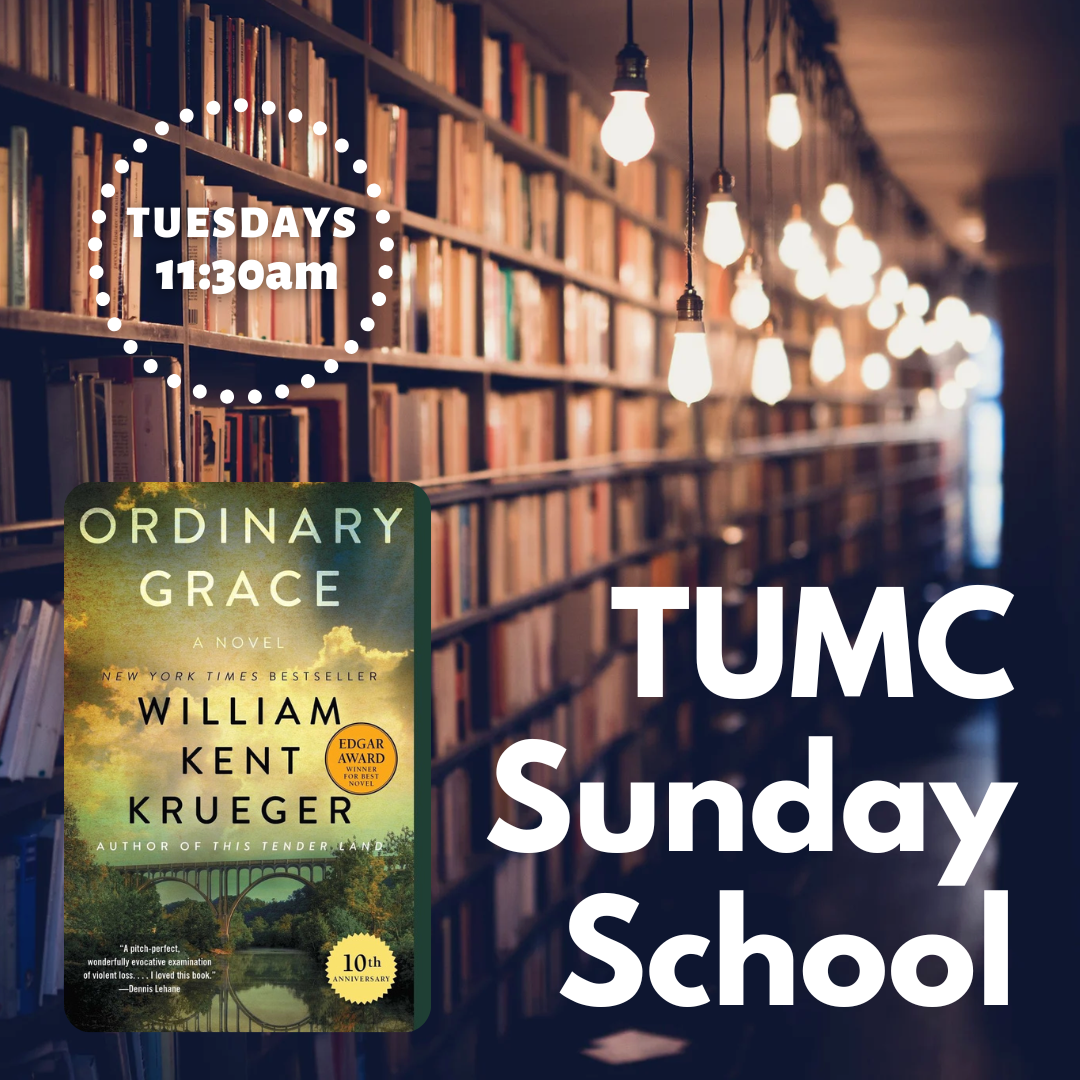
Sunday School
Tues. @11:30am via zoom
Our Sunday school class meets Tuesdays at 11:30am. If you would like to attend, please send us an email and we will send you the zoom link as well as where you can get the book.
Bible Study
Friday @12:30pm via zoom
If you would like to participate in our weekly bible study, please reach out to Pastor Nora. She can send you a Zoom link so that you can participate. We’d love to have you!
Staff and leaders
Reverend Nora Colmenares
Rev. Dr. Nora Colmenares was born and raised in Venezuela and has lived in the US since 1990. She has graduate degrees in New Testament and Theology, a Doctorate of Ministry from Drew University with a focus on multicultural church development, and a graduate certificate from Georgia State University on Nonprofit Management and Social Enterprise.
Rev. Nora Colmenares has served as Associate Director of the Office of New Church Development of the North Georgia Conference over congregational development with immigrant communities, she also served in various executive positions in the General Board of Global Ministries, and most recently she was the Lead Pastor of The Nett UMC.
Rev. Colmenares is married to Rev. Frank Windom (retired). She has two daughters who reside in Atlanta, and Rev. Windom has a daughter and a grandson who reside in Kentucky.

Logan Souther - Pianist

chase mckoon - Ministry assistant
Chase McKoon was raised in East Alabama/West Georgia. Chase’s experience in Christian ministries began in 2017 through internships across churches and non-profits. He earned a Bachelor of Arts with a double major in History and Religion from Huntingdon College in Montgomery, Alabama. This led him to earn a Master of Divinity with a focus on Scripture & Interpretation from Candler School of Theology at Emory University.
Chase serves Trinity UMC as a Ministry Assistant. He also currently serves as Benefits & IT Associate and Events Coordinator for the North and South Georgia Conferences. His passions span across pastoral care, congregational support, missions, religious education/adult discipleship, LGBTQIA+ ministries, and spiritual formation.
He blends administrative excellence with genuine commitment to empowering faith communities through operational support and meaningful connection.
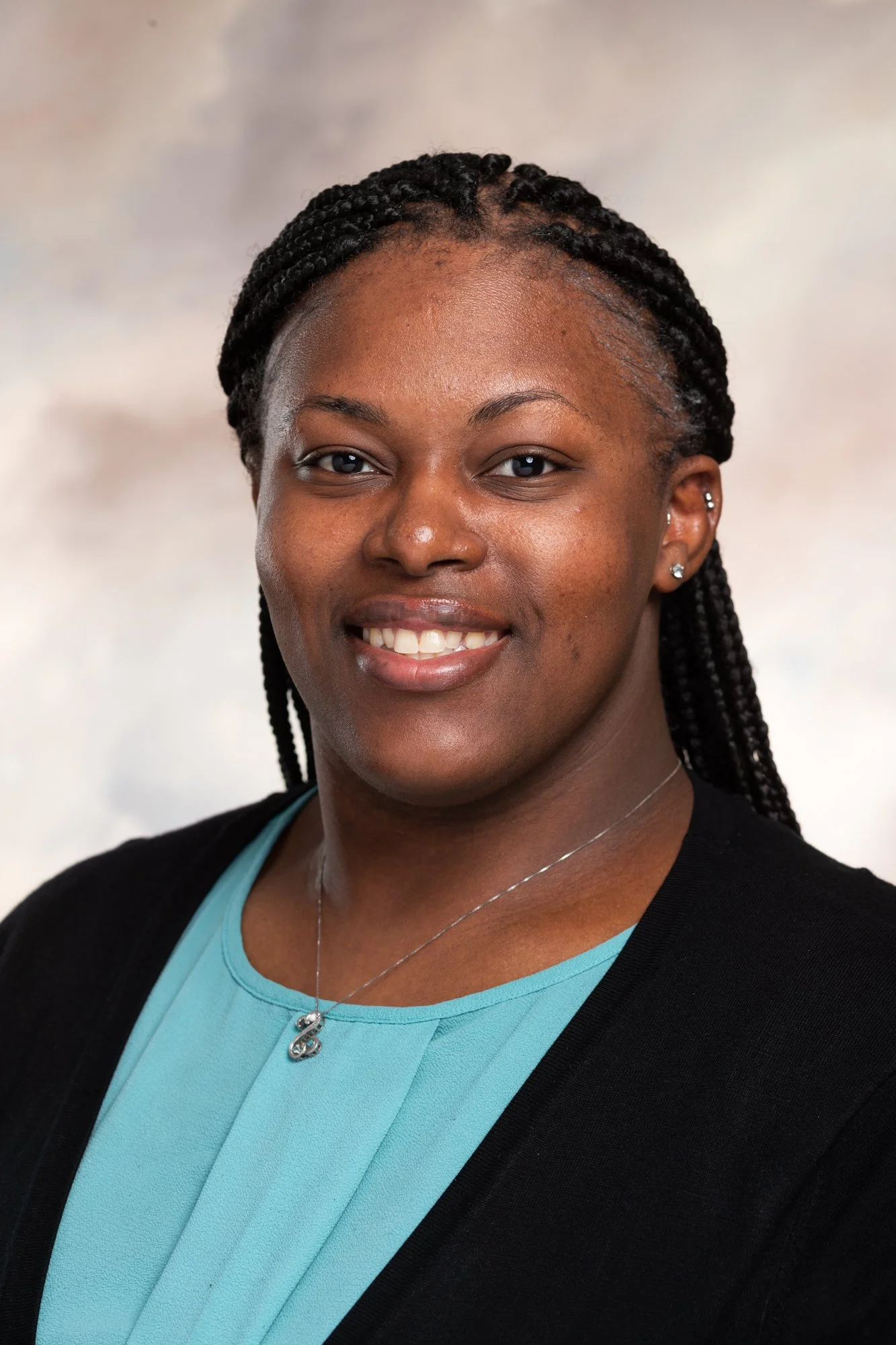
Tanisha Slocumb - Trinity Table Director
Born and raised in Atlanta, Georgia, Tanesha is the Director of Trinity Table. As a dedicated public health practitioner with 10 years of experience in the implementation of health and wellness prevention programming and education, community outreach, coalition and capacity building, evaluation, and technical assistance, Tanesha brings a wealth of experience to Trinity UMC. As Trinity Table Director, she will be responsible for overseeing volunteer and community engagement, grant writing, data collection, and reporting. Her commitment to empowering and supporting communities started during her high school career but continued at Trinity Table during college where she volunteered regularly at Trinity Table, a full circle moment with her now joining as staff.
Tanesha is currently pursuing her Doctor of Public Health in Community Health Behavior and Education from the Jiann-Ping Hsu College of Public Health at Georgia Southern University. She received her Bachelor of Science degree in Biology from Spelman College and her Master of Public Health degree from Morehouse School of Medicine.
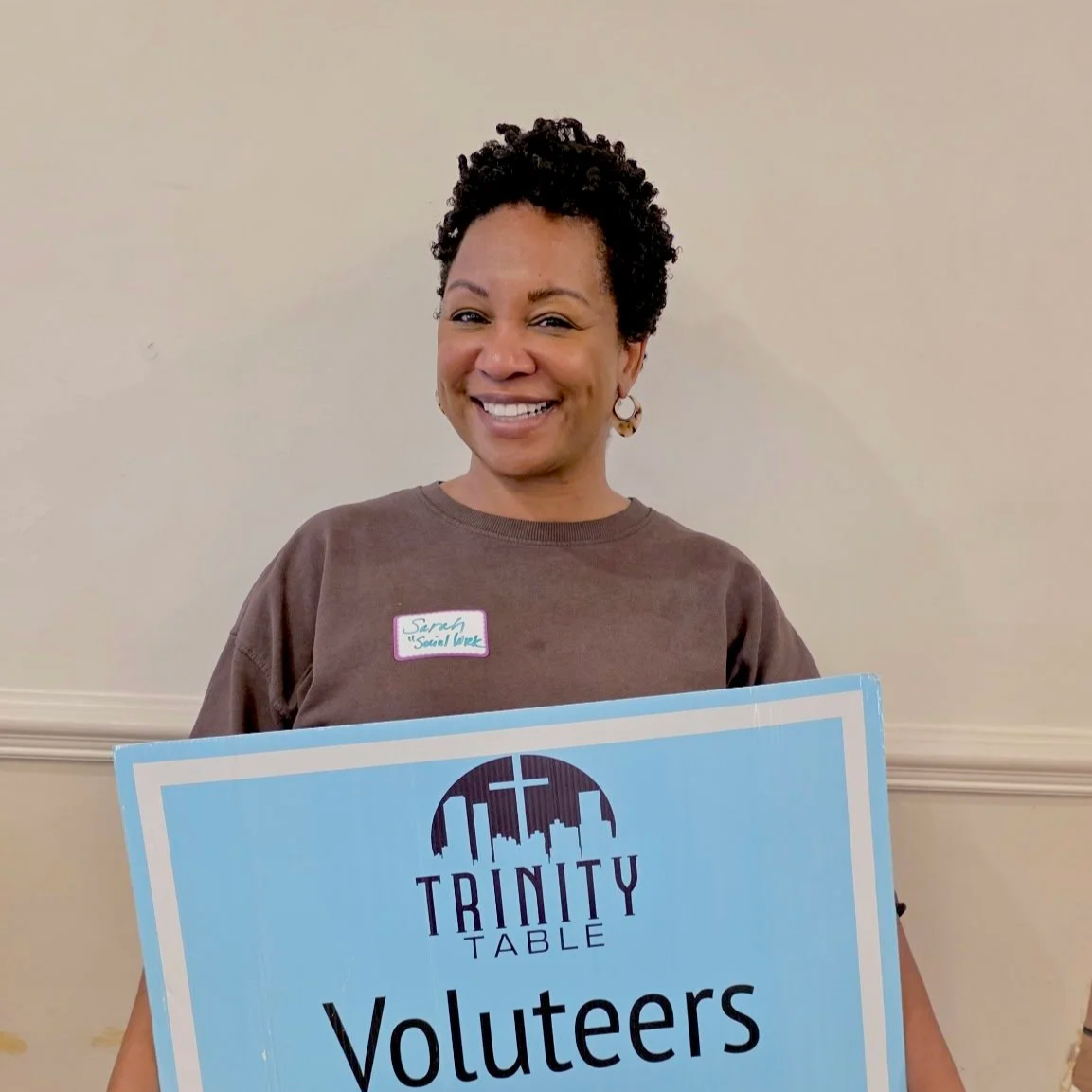
Sarahtyah Wilson - Social worker
Sarah is our social worker, and her role is to help connect members of our community with needed services while also building partnerships with other nonprofit organizations that can support our neighbors. Sarah brings a wealth of experience to Trinity UMC.
She is a retired U.S. Army veteran who served for 20 years as a Commissioned Officer in the Army Medical Department's Medical Service Corps. Following her military career, she worked with the Birmingham VA, continuing her commitment to serving others. Today, she operates a private therapy practice.
Sarah is currently assessing unmet needs within our community and gathering information that will help Trinity UMC determine its next chapter during this time of transition. Our goal is to better understand what our neighbors need so that we can continue to grow, adapt, and serve alongside them in meaningful ways.
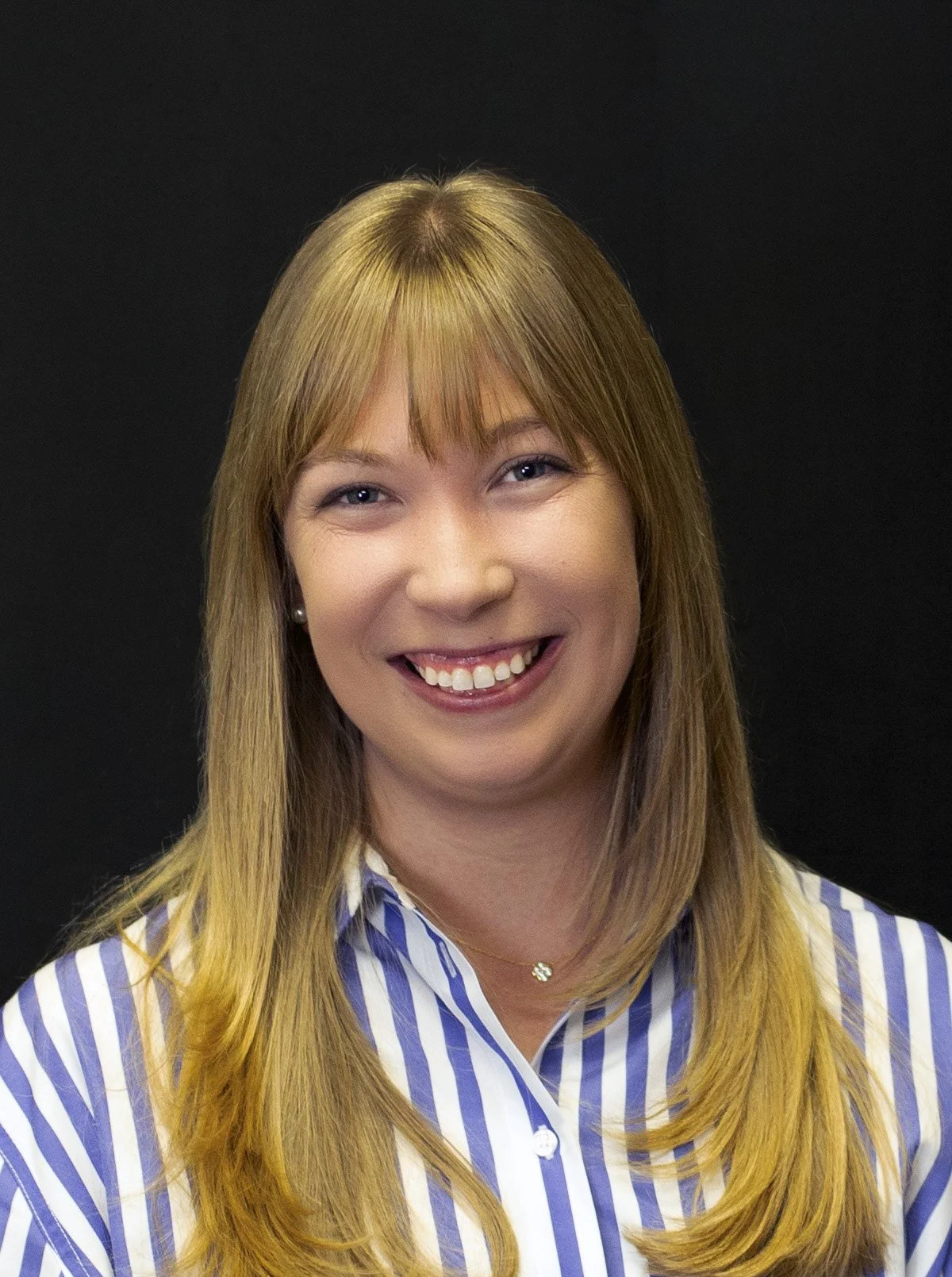
Melissa kohlhagen - operations coordinator
Melissa Kohlhagen serves as the Operations Coordinator for Trinity Table, where she has been a leader for the past five years. As the boots-on-the-ground coordinator each Sunday, Melissa oversees day-of operations, organizes volunteers, and helps ensure that every guest experiences a welcoming and well-run environment.
Outside of Trinity Table, Melissa works as a Training Coordinator at an engineering firm and holds a Master's degree in Instructional Technology. Her professional expertise in training, organization, and process improvement helps strengthen Trinity Table's mission and operations.
As a resident of the city, Melissa is deeply committed to serving her neighbors and building a stronger community. Her passion for helping people drives everything she does, from creating efficient systems behind the scenes to fostering meaningful connections with those Trinity Table serves. Melissa believes that every person deserves dignity, compassion, and support, and she is honored to be part of an organization that puts those values into action each week.
Trinity United Methodist Church History

Origins
At its founding in 1853 Trinity was part of The Methodist Episcopal Church, South. In 1939 The Methodist Episcopal Church, The Methodist Episcopal Church, South, and The Methodist Protestant Church united to form The Methodist Church. In 1968, The Methodist Church and The Evangelical United Brethren Church united to form The United Methodist Church.
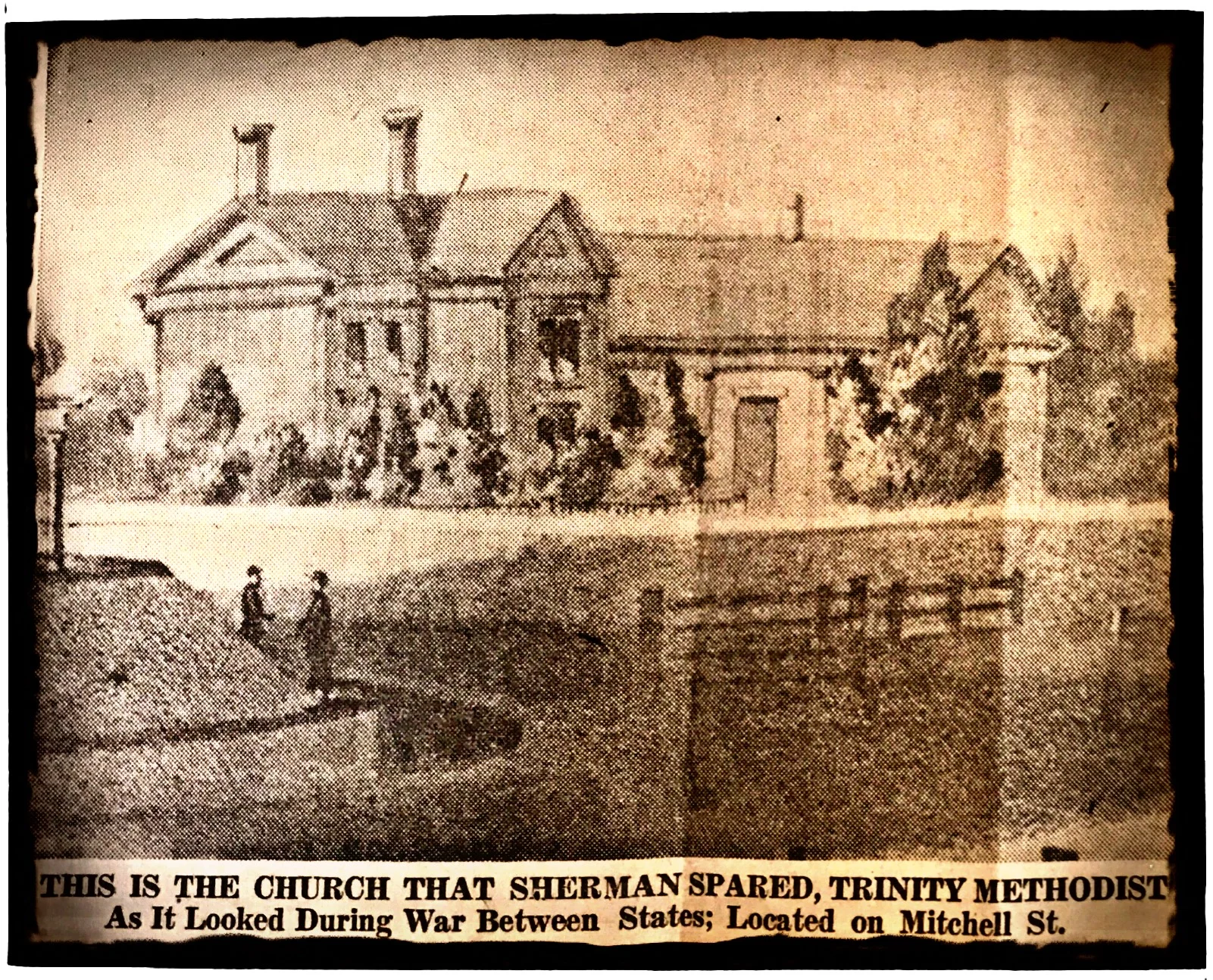
Through the efforts of Wesley Chapel, now First United Methodist Church (360 Peachtree St. NE, Atlanta), Trinity Methodist Church began in the home of Martha and Greene B. Haygood, on McDonough Street, now Capitol Avenue. A year later, in 1854, the church moved into a new building--the first brick church in Atlanta--built on Mitchell Street on the site where the Department of Transportation stands today, immediately south of the present Georgia State Capitol. Wesley Chapel and Trinity shared pastors until 1856. Methodism was less than 100 years old, and Atlanta's population was about 6,000.
CIVIL WAR
During the Civil War, in July 1864, as Union General William Tecumseh Sherman's army approached the city, Trinity Methodist Church was closed and the Reverend Atticus G. Haygood and his family fled the city. Son of Martha and Greene Haygood, and later a Methodist bishop and president of Emory University (1875-84), Atticus Haygood was a missionary in Confederate General Joseph E. Johnston's army. During August 1864, he held services twice each Sunday. As the city was evacuated in September, furniture from refugees' homes was stored in the church. Through the intervention of Father Thomas O'Reilly, pastor of Immaculate Conception Catholic Church (48 Martin Luther King Drive SW, Atlanta), General Sherman spared four churches, including Trinity.
Trinity's Second Sanctuary
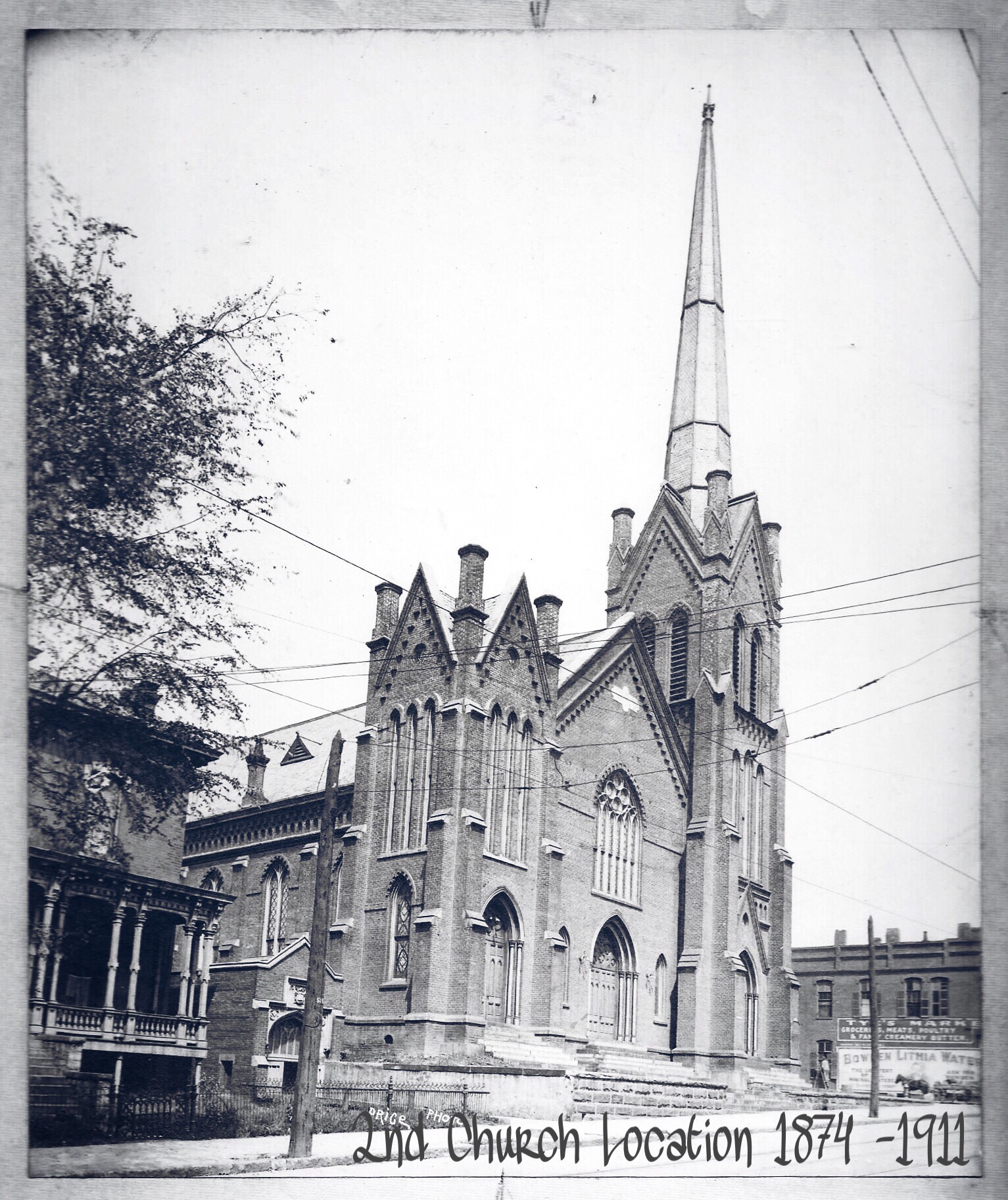
In 1874, the church moved to a larger, more impressive building on the corner of Whitehall and Peters Streets (which is now Trinity Avenue). The church remained at that site until 1911, when they built the present structure on the southwest corner of Washington Street and Trinity Avenue.
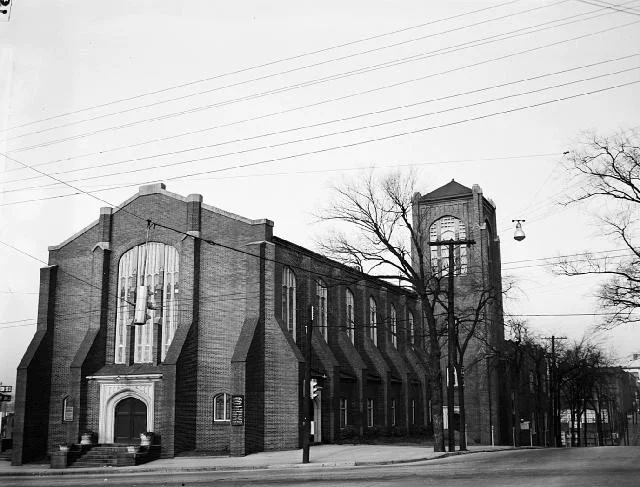
Trinity's Third and Current Sanctuary
The only ornamentation on this Gothic structure, designed by Walter T. Downing, a prominent architect of the day, is a lofty tower projecting from the northwest corner of the building. The "triumph of the whole construction," according to The Atlanta Journal (October 27, 1912), are its stained glass windows, made of opaque glass. The north windows depict themes from the Old Testament; the south windows show themes from the New Testament. The center windows on the east side of the church contain symbols of the Christian Trinity; windows on either side show figures representing the formation of the church (the Apostle Paul and St. John Chrysostom on the left, Martin Luther and John Wesley on the right). The elaborately carved chancel and pews, which originally came from Germany, came from the Whitehall Street building.

Mission Work
Trinity is credited with planting the seeds for five Methodist churches in the Atlanta area: in 1871 St. Paul (originally on Fair St.) and Evans Chapel on Stonewall St. (which became Walker Street Church), in 1878 Asbury on Davis St., in 1879-81 Pierce Chapel (which became St. John's at Georgia Ave. and Pryor St.), and in 1882-85 Park Street in West End. In the 1880s and 1890s, Trinity sent at least five missionaries overseas and was active in Home Missions. The Methodist "Epworth League," predecessor of the "Wesley Fellowship," had its start in 1889 in Trinity's "Young People's Christian League." During World War I, Trinity supported two Red Cross units. On the Trinity church's 75th anniversary in 1929, The Atlanta Journal wrote the following words of tribute to the church:
. . . with the rising fortunes of the new Atlanta came an even profounder test. Prosperity flowed, and pride set high in the hearts of men [and women]. But Trinity held true to its olden ideal. "Whosoever will be chief among you, let him [or her] be your servant."

During the 1930s, Trinity operated a soup kitchen, staffed chiefly by the women of the church, serving the city at a time when people stood in long food lines all across this country.
In the 1950s, the building of freeways displaced residential housing on Capitol Avenue, Washington Street, and surrounding neighborhoods. Responding to changes in its environs, which now consists of government offices and public housing, Trinity sought to minister to the growing homeless population in Atlanta. In the 1960s, this ministry focused on the needs of the Capitol Homes community and others in the downtown area. During the 1970s, 1980s, and on into the 1990s, Trinity continued programs designed to meet the needs of the inner-city:
• a soup kitchen serving 300 homeless people Sunday afternoons,
• a night shelter housing 30 men developed into a program helping men break the cycles of substance abuse, unemployment, homelessness, and poverty,
• a transitional house for homeless men, and
• a Wednesday noon worship service and lunch for downtown workers, shoppers, tourists.
In the 1990s, Trinity expanded its ministries to respond to the needs of HIV/AIDS victims.
Trinity United Methodist Church, strives to be open to diverse expressions of Christian faith, to welcome persons from all religious, racial, and ethnic backgrounds, social and economic stations, and sexual orientations into the life of the congregation, and to offer its ministries to anyone in need.

Reconciling Congregation since 1996

On Sunday, February 11, 1996, Trinity members present at a called church conference adopted the following statement, officially adding Trinity’s name to the list of individuals, churches, conferences and agencies who support “opening the doors” of the UMC to homosexual men and women:
We the congregation of Trinity United Methodist Church in Atlanta, GA, welcome into our fellowship all persons, regardless of their religious, racial, or ethnic background, social or economic station, or sexual orientation. Therefore, we affirm that the reconciliation offered for all creation through Jesus Christ is thereby offered to all, including lesbian, gay, bisexual and transgendered persons. This reconciliation is not based on any condition except the desire to acknowledge Christ as redeemer and to live as life which demonstrates God’s love for all the world. We recognize that God challenges us all to find responsible, committed, and loving forms of relating to one another. We commit ourselves to ongoing prayer, study, and conversation about what this challenge means for all our life and ministry together.
We affirm with the larger United Methodist Church that homosexual persons no less than heterosexual persons are individuals of sacred worth. We accordingly propose that Trinity UMC become an official Reconciling Congregation. We invite other United Methodist congregations to join us in this stand, that those who before have felt abandoned by the church will now feel welcomed into the fellowship of believers.
To acknowledge the diversity of theological interpretation in the United Methodist Church on this matter, we furthermore ask the General Conference to remove the words from the Discipline (par. 402.2) that state the practice of homosexuality is incompatible with Christian teaching and that deny ordination to self-avowed, practicing homosexual persons.
Come join us at Trinity tAble!
Volunteer
—
Donate
